
Yellow or brown tap water in JB — common causes and fixes
A systematic troubleshooting and filtration guide for homeowners dealing with discolored municipal water in Johor Bahru.
Quick Answer: Yellow or Brown Tap Water in JB
Encountering yellow tap water johor bahru homes face is typically triggered by one of three mechanisms: internal rust flaking from aging galvanized iron pipes, high-velocity scouring of public transmission mains following pipe burst repairs or water supply disruptions by Ranhill SAJ, or accumulated silt inside unwashed rooftop and suction storage tanks. If the discoloration clears within a few minutes of running the faucet, internal plumbing corrosion is the probable source; if widespread or persistent, municipal network scouring or tank sludge is the root cause. Installing an outdoor sediment or ultrafiltration pre-filter stops incoming silt, while Point-of-Use carbon and reverse osmosis filters ensure safe, crystal-clear drinking water.
Read the full technical breakdown below ↓
list_alt Table of Contents
- 1. Homeowner Diagnostic Checklist: Isolating the Source
- 2. Cause 1: Corroded Galvanized Iron (GI) Plumbing in Older Homes
- 3. Cause 2: Water Disruptions and Pipe Repairs by Ranhill SAJ
- 4. Cause 3: Neglected Roof and Suction Water Storage Tanks
- 5. Practical Fixes: From Line Flushing to Whole-House Filtration
1. Homeowner Diagnostic Checklist: Isolating the Source
Turning on your kitchen or bathroom faucet and seeing discolored yellow, orange, or tea-colored water can be alarming. Before investing in expensive plumbing repairs or equipment, you should perform a simple 4-step diagnostic isolation test to pinpoint where the contamination originates:
- Step 1: Test Cold Water vs. Hot Water: Turn on your cold tap. If the cold water runs completely clear, but the hot water from your shower or basin faucet emerges yellow or brown, the issue is almost certainly localized inside your water heater. Accumulated sediment or corrosion on the internal sacrificial anode rod and heating tank lining releases rust into heated water lines.
- Step 2: Test Single Faucet vs. All Fixtures: If only one seldom-used tap (such as an outdoor utility sink or guest bathroom) produces brown water for the first 30 seconds before running clear, localized corrosion inside that specific branch pipe is the primary culprit. If every tap throughout the property runs yellow simultaneously, the problem is upstream.
- Step 3: Test Direct Meter Tap vs. Tank-Fed Taps: In Malaysian landed homes, the front garden tap directly outside your gate is usually connected straight to the public municipal main, bypassing your home's roof storage tank. Turn on this front tap: if the direct meter water is crystal clear, but taps inside your bathrooms (fed from the attic storage tank) are yellow, your storage tank has accumulated bottom sediment.
- Step 4: Check with Immediate Neighbors: Contact neighbors on your street or check residential community groups. If nearby houses are experiencing the same yellow or muddy water, the issue originates from the public municipal supply network rather than your private plumbing.
2. Cause 1: Corroded Galvanized Iron (GI) Plumbing in Older Homes
In established neighborhoods throughout Johor Bahru—such as older precincts in Taman Pelangi, Skudai, Johor Jaya, and Century Garden—many homes built prior to the late 1990s were fitted with galvanized iron (GI) plumbing pipes. While durable under high pressure, galvanized pipes possess an inherent lifespan limitation.
Over decades of constant contact with municipal water, the internal protective zinc coating gradually erodes. Once bare iron is exposed to oxygen and dissolved minerals, oxidation occurs, forming ferric oxide (rust). When faucets remain closed overnight or while residents are at work, standing water reacts with the corroded pipe walls.
Upon opening the tap the next morning, the initial surge of water carries dislodged rust particulate and dissolved iron, creating a vivid yellow or brown coloration accompanied by a metallic odor. Typically, running the water for one to two minutes flushes the sitting volume, and the stream turns clear. While non-toxic in small amounts, continuing to rely on deteriorating GI pipes risks internal pipe thinning, pinhole leaks, and water pressure loss over time.
3. Cause 2: Water Disruptions and Pipe Repairs by Ranhill SAJ
One of the most frequent reasons for sudden, intense water discoloration across an entire street or neighborhood in Johor Bahru is scheduled maintenance or emergency burst pipe repairs carried out by Ranhill SAJ Sdn Bhd.
Public distribution networks consist of large-diameter cast iron, ductile iron, and mild steel mains buried under roadways. Over years of operation, natural mineral sediments, iron oxides, and harmless manganese scale gently settle along the bottom surfaces of these transmission conduits under steady, laminar hydraulic flow.
When a water main bursts or a section is isolated for valve replacement, the affected pipeline empties. Once maintenance work concludes and water service is re-opened, utility operators re-pressurize the grid. The sudden re-introduction of high-pressure water creates turbulence and hydraulic shockwaves (water hammer). This turbulent flow scours years of settled mineral sediment off the interior walls of the public mains, pushing a concentrated plume of reddish-brown water into downstream domestic connections.
4. Cause 3: Neglected Roof and Suction Water Storage Tanks
Residential plumbing conventions in Malaysia incorporate domestic water storage tanks as an essential buffer against supply fluctuations. Landed terrace properties typically feature a 200-to-400-gallon poly or stainless steel tank positioned in the roof ceiling space, while high-rise condominiums rely on centralized ground suction tanks combined with rooftop distribution reservoirs.
These holding tanks function as settling basins. Even when incoming municipal water complies with physical turbidity standards, trace silt, airborne dust, and micro-fine clay particles naturally settle to the tank floor. Over years without maintenance, this material forms a dense layer of dark reddish-brown sludge.
Under ordinary conditions with full tank levels, the sludge layer remains undisturbed at the bottom. However, during periods of peak household water consumption or following supply interruptions when the tank level drops low and refills rapidly, incoming water velocity stirs up the sludge bed. This suspended silt enters internal supply lines, turning water flowing into bathtubs, sinks, and washing machines a stubborn yellow-brown hue.
5. Practical Fixes: From Line Flushing to Whole-House Filtration
Addressing yellow or brown tap water requires a phased approach combining immediate corrective measures with permanent protective hardware:
Immediate Remediation: During a temporary discoloration event, avoid using hot water taps or running automatic washing machines to prevent staining laundry or drawing sediment into the water heater tank. Turn on an outdoor garden tap or cold ground-floor faucet and let it run at moderate pressure until the water runs clear. This clears accumulated particulate from service pipes without drawing muddy water into your attic storage vessel.
Storage Tank Maintenance: Homeowners should inspect their attic storage tank annually. If silt accumulation is visible, arrange for thorough draining, mechanical scrubbing, and disinfection with mild food-grade sanitizing solutions. Condominium residents should confirm that their Joint Management Body (JMB) conducts mandatory semi-annual cleaning of communal suction and roof tanks in compliance with SPAN regulations.
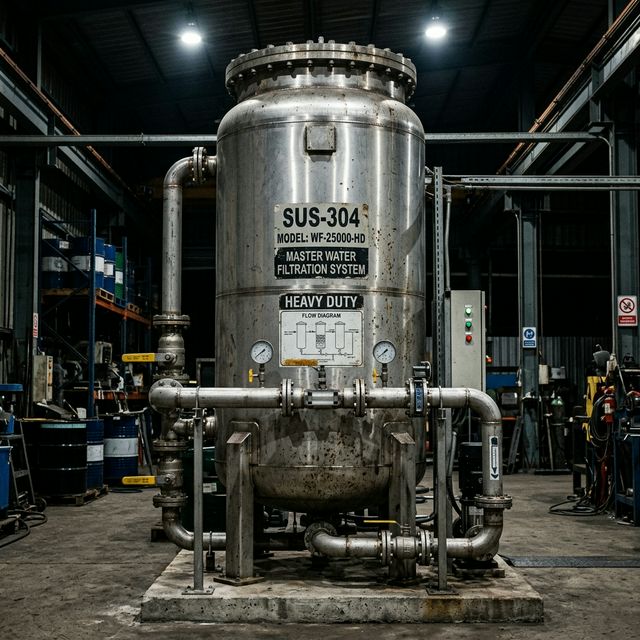
Point-of-Entry (POE) Outdoor Master Filters: Installing a durable outdoor master filter directly behind the public water meter provides an indispensable barrier for landed homes. Backwashable multi-media sand filters and high-capacity ultrafiltration (UF) hollow-fiber membrane systems intercept heavy mud, rust particles, and suspended silt before they can enter household plumbing and settle in your storage tank. UF membrane systems, encased in SUS-304 stainless steel housings, clarify incoming water down to microscopic levels without restricting domestic flow rates.
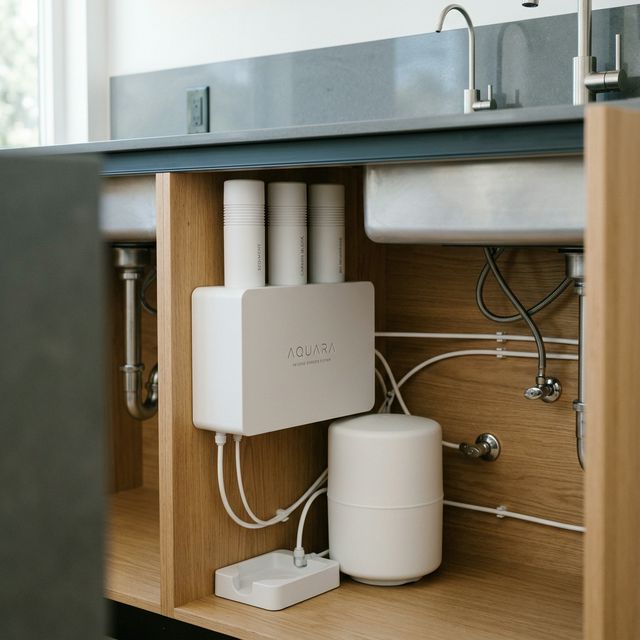
Point-of-Use (POU) Kitchen Filtration: To guarantee absolute safety for drinking and food preparation, pair whole-house pre-filtration with dedicated under-sink or countertop purification in the kitchen. Point-of-use systems featuring activated carbon blocks adsorb residual chlorine and organic color compounds, while reverse osmosis (RO) systems strip dissolved metal ions, providing crystal-clear, taste-neutral water for your entire household.
Read Next:
Johor Bahru Local Authority Guides
Looking for customized solutions based on JB's water infrastructure? Explore our specialized local guides:
Related Water Quality Guides

Is JB Tap Water Safe to Drink in 2026: Ranhill SAJ Overview
Understanding municipal treatment standards, transmission pipelines, and domestic water quality in Johor.
Chloramine vs Chlorine in Malaysia's Water Supply
Understanding disinfection chemical methods, persistence in distribution lines, and carbon filtration.

How Heavy Metals Can Enter Tap Water & Filtration Fixes
Addressing lead, copper, and iron leaching from old domestic plumbing using KDF, ion-exchange, and RO.
Outdoor Master Water Filters in Johor Bahru
Complete guide to Point-of-Entry filtration hardware, sediment interception, and whole-house protection.
This article is general educational information and does not constitute professional testing or medical advice. For actual water quality, refer to official testing (Ranhill SAJ / KKM).