
Cuckoo Water Filters Review
The great challenger. Analyzing Cuckoo's "Mild-Alkaline" Nanopositive approach.
Quick Answer: Cuckoo Water Filters Review
Read our comprehensive guide and independent analysis regarding Cuckoo Water Purifiers Review. Jbwaterfilter provides strictly unbiased, scientifically verified water purification recommendations.
Read the full technical breakdown below ↓
list_alt Table of Contents
The Cuckoo Alternative
Stepping into the market to rival Coway, Cuckoo differentiated itself by attacking the two biggest flaws of Reverse Osmosis: the 'flat' demineralized taste and the high wastewater generation.
Instead of RO, Cuckoo strictly champions Nano Positive technology. This is a form of electrostatic Nanofiltration that blocks heavy metals and viruses but specifically allows calcium and magnesium to safely pass through, resulting in "mild-alkaline" water that tastes significantly sweeter than RO water.
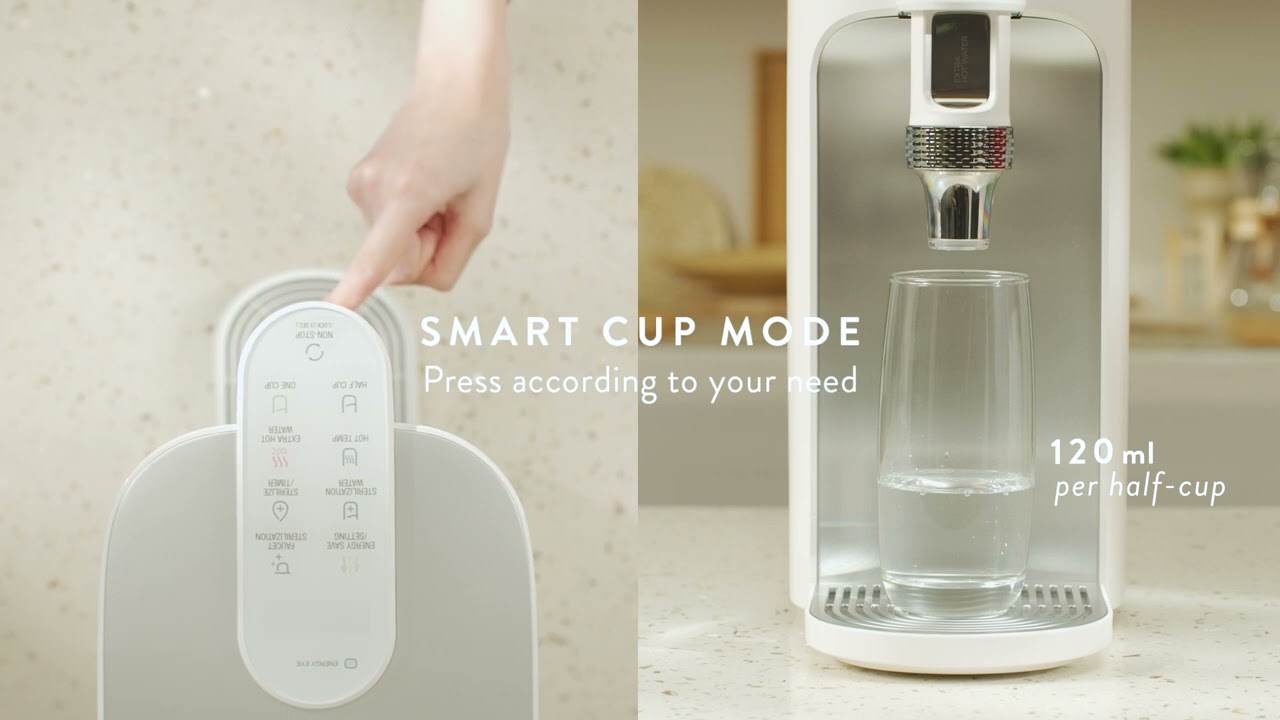
CUCKOO TITAN Water Purifier
Zero Wastewater
Because Nanopositive membranes are slightly looser than RO membranes, they do not require intense electric booster pumps to force water through, and they completely eliminate the need for a drain pipe. Every drop of water that enters a Cuckoo machine ends up in your glass. This makes installation phenomenally easier and cleaner than Coway, as you don't need to punch holes into your sink drainage pipe.
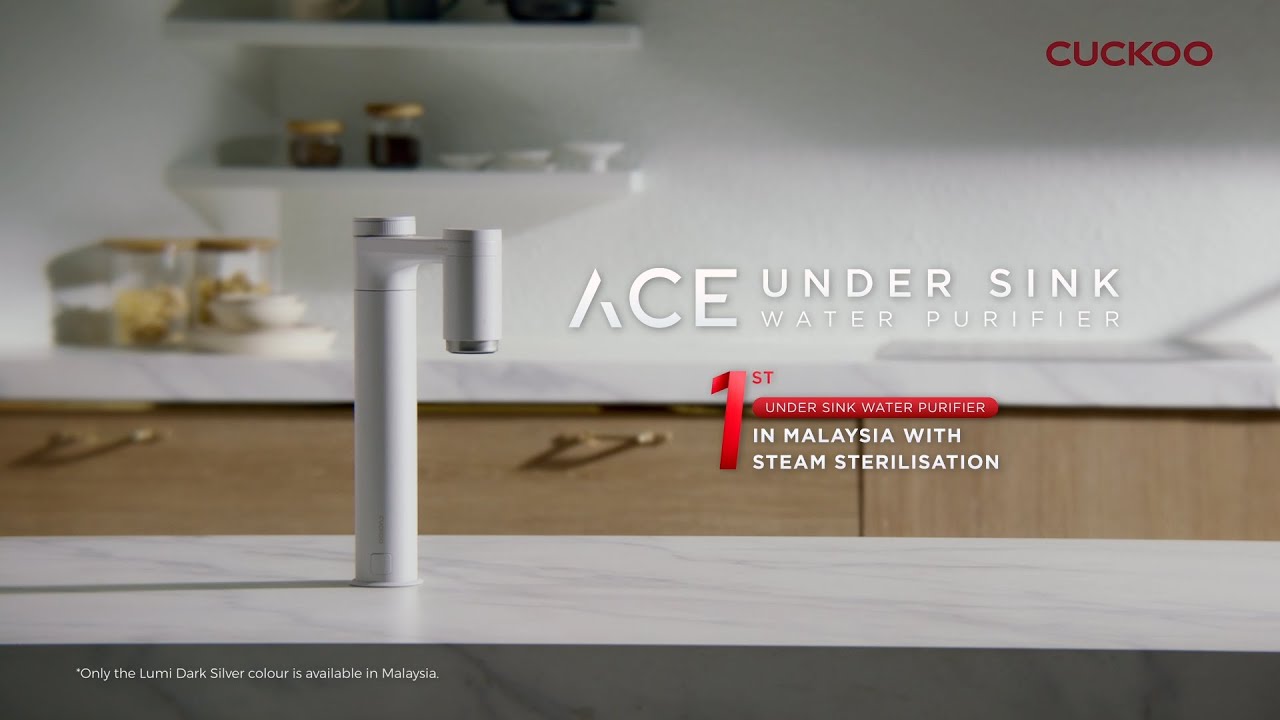
CUCKOO ACE Under Sink Water Purifier | CUCKOO Malaysia
Stainless Steel Tanks & Aesthetics
Cuckoo frequently brags about their food-grade stainless steel internal water tanks, framing them as vastly superior to Coway's traditional plastic tanks (which form bio-films faster). Furthermore, Cuckoo's aesthetic design language is often sharper and more futuristic, catering to high-end minimalist kitchens.
Pros vs Cons
- Pro: Keeps healthy minerals in the water, creating a sweeter, mild-alkaline pH.
- Pro: Zero wastewater and much easier/cleaner installation than RO.
- Pro: Scheduled maintenance (typically every 4 months) includes professional servicing and filter replacements — no DIY required.
- Con: Nanopositive filters cannot block 100% of extreme contaminants the way RO can. If you live in an area with notoriously bad, heavily polluted water, RO is safer.
- Con: Still locks you into an expensive multi-year payment cycle.
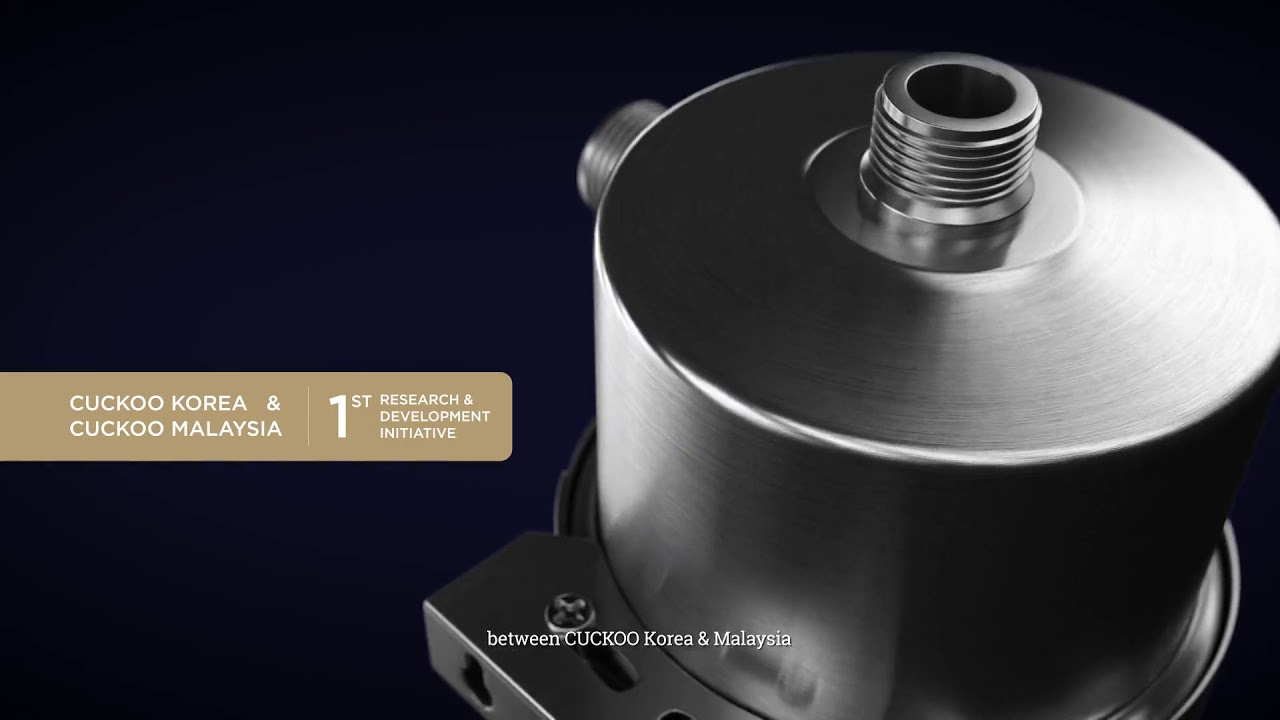
CUCKOO Prime X1 Outdoor Water Filter Malaysia
Related Jbwaterfilter REVIEW Guides

Panasonic Water Filters Review
No fancy marketing. No monthly rentals. Just decades of reliable Japanese engineering.

Panasonic Water Filters Review
The reigning titan of Malaysian water filtration. Is the high monthly rental worth the convenience?

Coway Water Filters Review
Analyzing one of the most famous, and most expensive, direct-flow water purifiers in the world.
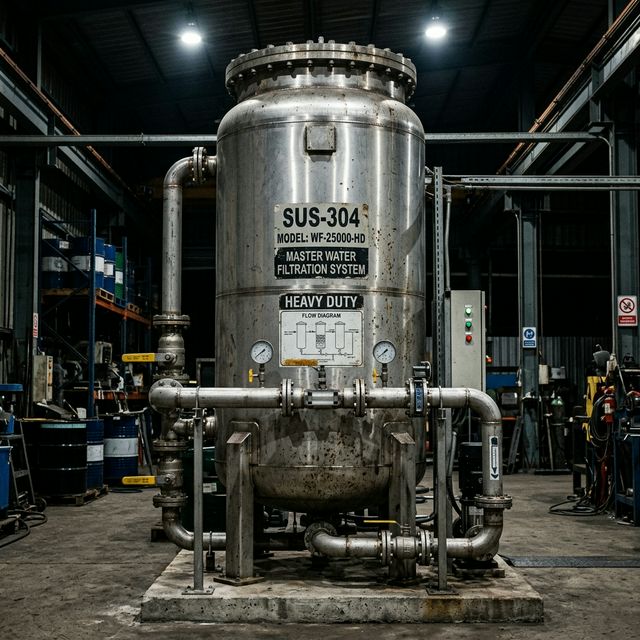
Amway eSpring Review
The undisputed king of heavy-duty Malaysian Point-of-Entry filtration.