
Panasonic Water Filters Review
No fancy marketing. No monthly rentals. Just decades of reliable Japanese engineering.
Quick Answer: Panasonic Water Filters Review
Read our comprehensive guide and independent analysis regarding Panasonic Water Filters Review. Jbwaterfilter provides strictly unbiased, scientifically verified water purification recommendations.
Read the full technical breakdown below ↓
list_alt Table of Contents
The Traditional Favorite
Before the massive Korean rental wave (Coway/Cuckoo) flooded the market, Panasonic owned the Malaysian countertop. Walk into any kitchen built in the 1990s or 2000s, and you will likely see a small, cylindrical plastic Panasonic water filter sitting by the sink.
Panasonic's philosophy is the exact opposite of modern subscription models. Their products are straightforward, require zero electricity (basic models), and are designed for longevity. You buy the filter outright from an electrical store, and you replace the cartridge yourself once or twice a year.
1. The Basic Micro-Filtration Line
Current models like the TK-CS200 and TK-CS500 use powered activated carbon and multi-layer filtration. They effectively reduce chlorine, rust, sediment, and foul odours. They do not remove dissolved heavy metals, but are excellent and affordable for cooking and everyday use.
2. The High-End Alkaline Ionizers
Panasonic's premium tier (like the TK-AS45) plugs into the wall and utilizes titanium-platinum electrodes. Using electrolysis, these machines generate Alkaline water at precise pH levels (8.5 to 9.5), displaying exact pH readings on an LED screen.
Are They Still Worth Buying?
Absolutely. If you want 100% financial ownership, abhor complex installations, and just want radically better-tasting water for your tea and cooking, a RM250 Panasonic carbon filter is practically bulletproof. However, they lack the sophisticated heavy-metal blocking (like Reverse Osmosis) that many modern families now demand for raw drinking water.
Related Jbwaterfilter REVIEW Guides
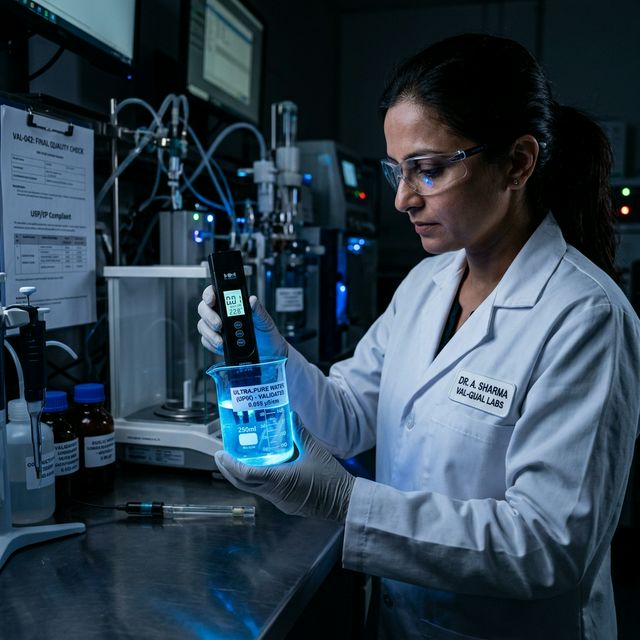
Amway eSpring Review
Analyzing one of the most famous, and most expensive, direct-flow water purifiers in the world.

Amway eSpring Review
The undisputed king of heavy-duty Malaysian Point-of-Entry filtration.
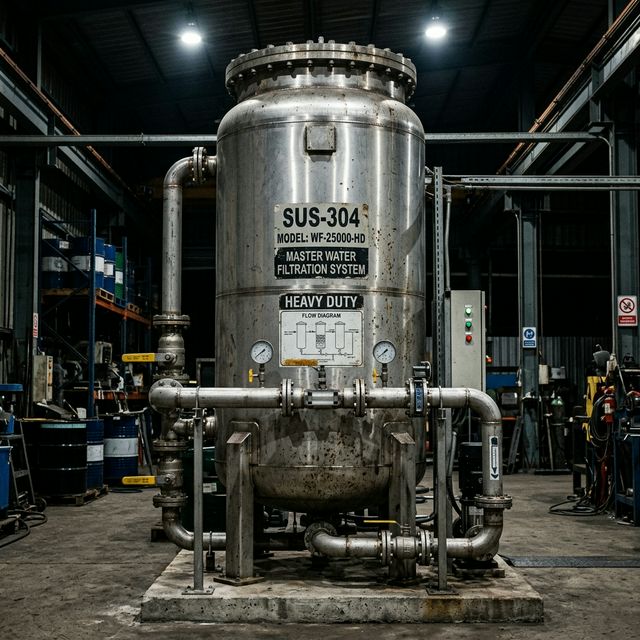
Filken Outdoor Filters
The reigning titan of Malaysian water filtration. Is the high monthly rental worth the convenience?
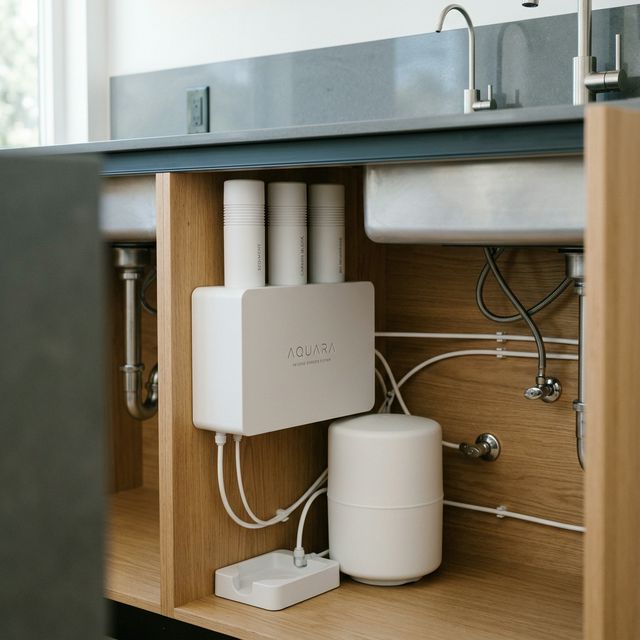
Coway Water Filters Review
The great challenger. Analyzing Cuckoo's "Mild-Alkaline" Nanopositive approach.