Ultraviolet (UV) Water Purifiers
How light radiation scrambles the DNA of microscopic pathogens.
Quick Answer: Ultraviolet (UV) Water Purifiers
Read our comprehensive guide and independent analysis regarding Ultraviolet Uv Water Purifiers. Jbwaterfilter provides strictly unbiased, scientifically verified water purification recommendations.
Read the full technical breakdown below ↓
list_alt Table of Contents
How UV Sterilization Works
UV purifiers do not physically remove anything from the water. Unlike carbon that traps chemicals or RO membranes that block heavy metals, UV light is exclusively used as a biological sterilizer.
Water flows through a stainless steel tube containing a 254-nanometer UV-C lamp protected by a quartz glass sleeve. As bacteria, viruses, and cysts (like Giardia and Cryptosporidium) flow past the lamp, the intense UV radiation penetrates their cell walls and permanently alters their DNA, leaving them unable to replicate or cause infection.
Why Pre-Filtration is Critical
UV light only works if it can physically "see" the bacteria. If your water contains heavy rust, muddy sediment, or excessive cloudiness, pathogens can simply hide behind a microscopic grain of dirt and pass through the UV chamber unharmed—a phenomenon known as "shadowing." Therefore, UV systems must always be installed as the absolute final stage after a 5-micron or 1-micron sediment filter.
Who Actually Needs a UV Purifier?
If you live in a developed city where water is heavily treated with municipal chlorine, a UV filter is a redundant luxury; the chlorine has already killed the bacteria. However, if your home runs on a private well, a rainwater catchment system, or an off-grid river pump, a UV system is a non-negotiable safety requirement to prevent severe bacterial illness.
Related TECHNOLOGIES Guides
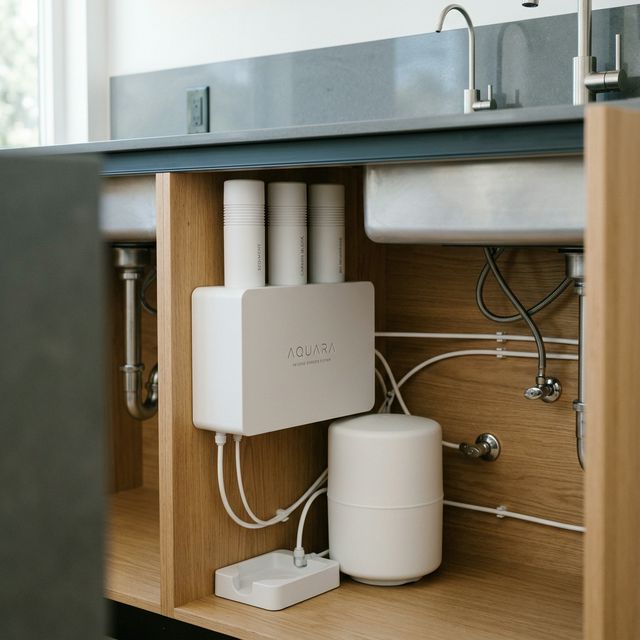
What is an Alkaline Water Ionizer?
The high-voltage science behind altering the pH scale of your drinking water.
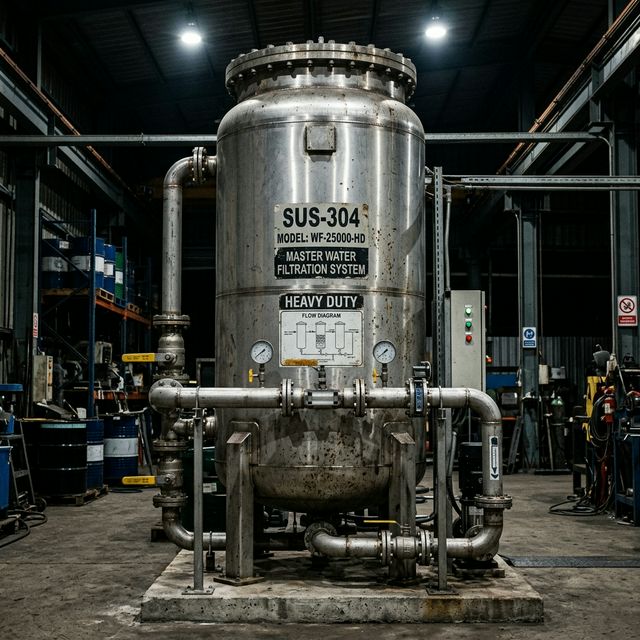
What is an Alkaline Water Ionizer?
The oldest form of absolute purification: boiling, steaming, and condensing.

Water Distillation at Home
The ultimate showdown between the two most popular water purification membranes.
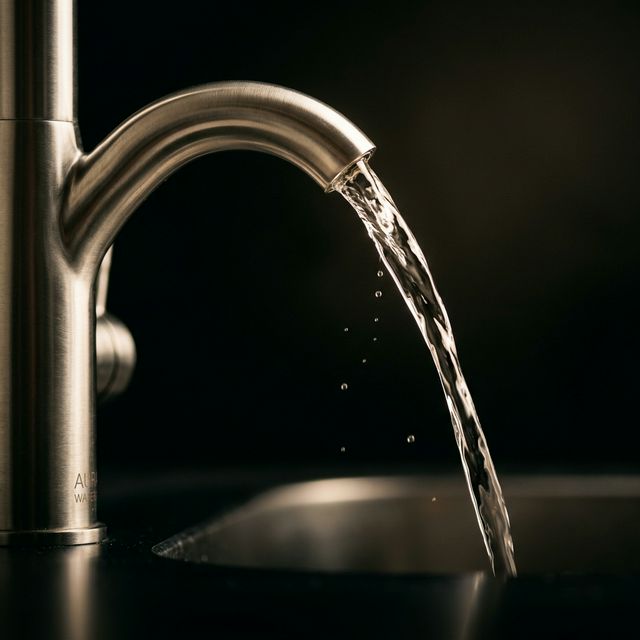
UF vs RO: Which is Better?
The "Goldilocks" membrane sitting right between Ultrafiltration and Reverse Osmosis.